Natural Language Processing (NLP)
What is Natural Language Processing (NLP)?
Natural Language Processing (NLP) is a branch of artificial intelligence focused on human language. A computer learns to recognise patterns in written or spoken text. From those patterns, it works out what words, sentences, and intent actually mean. The goal is straightforward: let machines work with language in a way that feels natural to people.
The term shows up behind chatbots, knowledge bases, search features, and translation software. In practice it means the computer is not just looking at isolated words but reading the full context.
Why does Natural Language Processing matter?
We produce huge amounts of text every day. Emails, reports, customer questions, social media posts. Without NLP, all of that would be as meaningless to a computer as a pile of random scribbles.
NLP turns that text into something useful. A business can answer customers faster, spot recurring patterns, and surface insights that would otherwise stay hidden in the noise. Many processes still rely on people reading and tagging text by hand. NLP makes the same work faster and far more consistent.
The basic steps of NLP
Take the text in. First the text has to become readable for the computer. That sounds simple, but small details like accents, emoji, or regional spelling can already trip a model up.
Split the text up. Next the system breaks the text into sentences and words. This step is called tokenisation. Only after that can it start looking for meaning.
Recognise the important words. The computer picks out which words carry weight. It spots names, dates, locations, or product codes. This is called named entity recognition.
Work out the meaning. The system learns the relationships between words. It tells a question apart from a complaint or a compliment. We call this intent recognition.
Take action. Based on what it understood, the system produces an answer, makes a suggestion, or fills in a record.
Practical applications
Faster customer service. An online shop receives dozens of messages a day. Most are about deliveries, returns, or invoices. An NLP model can read each message and route it to the right topic automatically, so urgent ones reach the right person sooner.
Smarter search. Many companies live in SharePoint, Teams, or an internal document library, and staff often cannot find what they need. NLP makes search smarter by looking for meaning, not just literal word matches. A query about "holiday policy" still surfaces the document titled "annual leave guidelines".
Automatic summaries. Reports, meeting notes, and advisory documents take time to digest. NLP can produce a first short summary so you save time, while keeping control of what gets shared.
Customer feedback analysis. Companies collect feedback through reviews, emails, and social media. NLP can score the tone of each message, for example as positive, negative, or neutral, and group messages by topic so you spot which complaints or compliments keep coming up.
Keywords
natural language processing
nlp
ai
artificial intelligence
machine learning
text analysis
chatbot
automation
sentiment analysis
named entity recognition
From the blog.
More pieces from the field on the same topic.
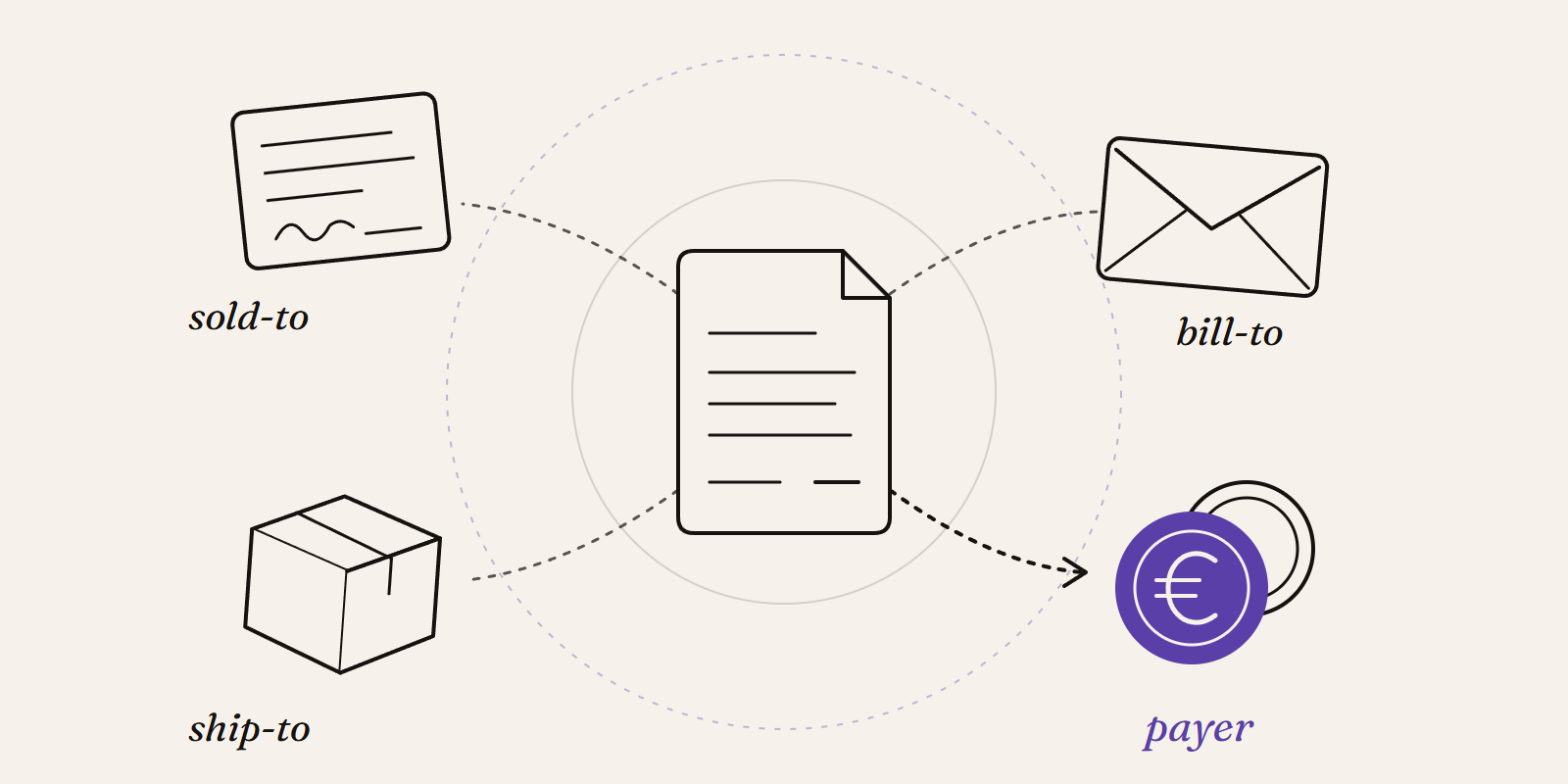
Sold-to, ship-to, bill-to and payer in SAP: who is actually your customer?
Sold-to, ship-to, bill-to and payer in SAP explained with a concrete example: who gets the invoice, whose account the receivable sits on, an...
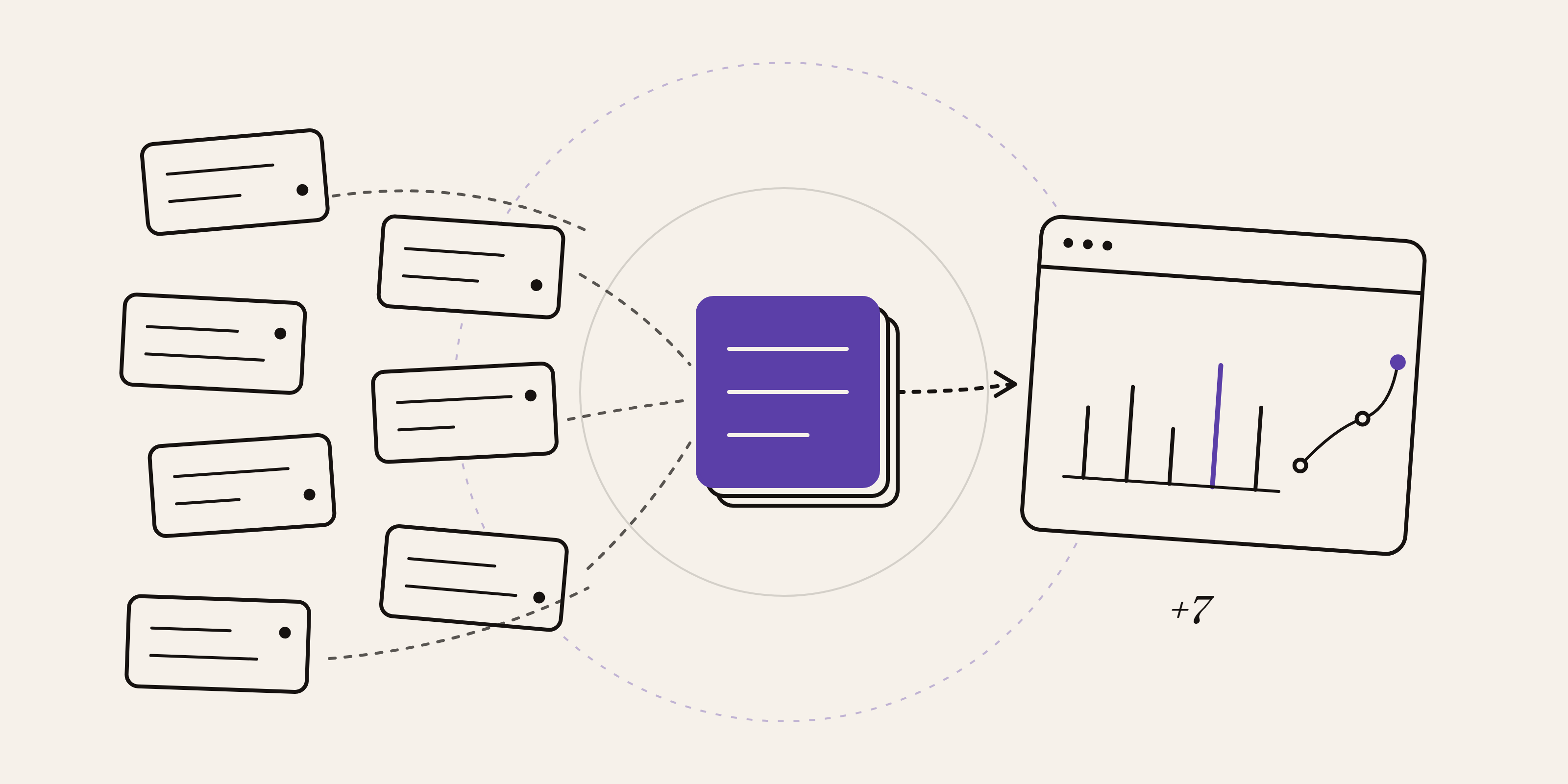
New Data Panda connectors in August 2026
Seven new Data Panda connectors from August 2026: ECB rates, ProfitPlus Webshop, SAP S/4HANA, Exact Venice, OpusFlow, ABAX and Sprout Social...