Speech-to-text (STT)
What is speech-to-text (STT)?
Speech-to-text, often shortened to STT, is technology that converts spoken language into written text. You speak, and the system does its best to capture exactly what you said. You will run into STT inside meeting platforms, smartphones, customer service tools, and back-office software. The idea sounds simple, but a lot of analysis happens under the hood.
Background and context
STT combines acoustic analysis, language models, and statistics. The system compares sound patterns against known phonemes and words. Modern models keep learning from huge volumes of audio, which is why they handle accents, dialects, jargon, and background noise far better than older systems.
Smaller companies tend to pick up STT because it saves time. Think of a sales rep who dictates notes after a customer visit. The system writes everything down while they drive to their next appointment.
How does it work?
Capture the audio through a microphone.
Digitise the sound into a waveform.
Recognise phonemes using an acoustic model.
Turn phonemes into words and sentences with a language model that predicts which words are most likely next to each other.
Produce readable text, often with automatic punctuation added in.
A simple analogy: picture an interpreter who is not listening for meaning but for thousands of tiny sound fragments. Their job is to piece that puzzle back together as accurately as possible.
Real-world use cases
Speech-to-text shows up in plenty of places, from small businesses through to large operations.
Meetings and interviews
STT transcribes meetings, phone calls, and interviews automatically. Teams stop wasting time on minute-taking. An office manager can have the weekly team meeting transcribed and skim the key decisions afterwards.
Customer service and call centres
Call centres use STT to turn conversations into text for quality control and training. Supervisors can spot recurring issues much faster, like complaints about delivery times or invoicing.
Field admin and on-site reports
Engineers, inspectors, and field reps dictate notes during a site visit. The text lands straight into the CRM or work-order system. That cuts evening admin and keeps reports more consistent across the team.
Medical and legal documentation
Doctors, therapists, and lawyers use STT to capture consultations, reports, and case files faster. It speeds up admin and reduces transcription errors.
Accessibility
STT helps people with motor impairments or hearing loss. Live captioning at events, lectures, and webinars is one of the most visible examples.
Media and content creation
Journalists and podcasters lean on STT to transcribe interviews and recordings, which speeds up writing articles or producing subtitles.
Voice-controlled software
Digital assistants, navigation apps, smart home devices, and chatbots all rely on STT to make sense of spoken commands.
Analysis and reporting
Larger organisations use STT to mine customer conversations for patterns. They look for sentiment trends, complaint themes, or questions that keep coming back.
Benefits
Faster than typing by hand.
Less risk of details slipping through the cracks.
Helps with accessibility and ergonomics.
Easy to plug into existing software.
Ideal for people working on the move.
Limitations and pitfalls
STT struggles in noisy environments. People talking over each other will produce errors.
Another tricky area is jargon. Construction, healthcare, or IT-specific terms sometimes come out wrong. The fix is usually to train your system on your sector or to feed it a custom vocabulary list.
Privacy matters too. Not every recording can be processed without consent or proper handling.
Keywords
speech-to-text
STT
speech recognition
transcription
audio to text
NLP
voice technology
AI
process automation
text-to-speech
From the blog.
More pieces from the field on the same topic.
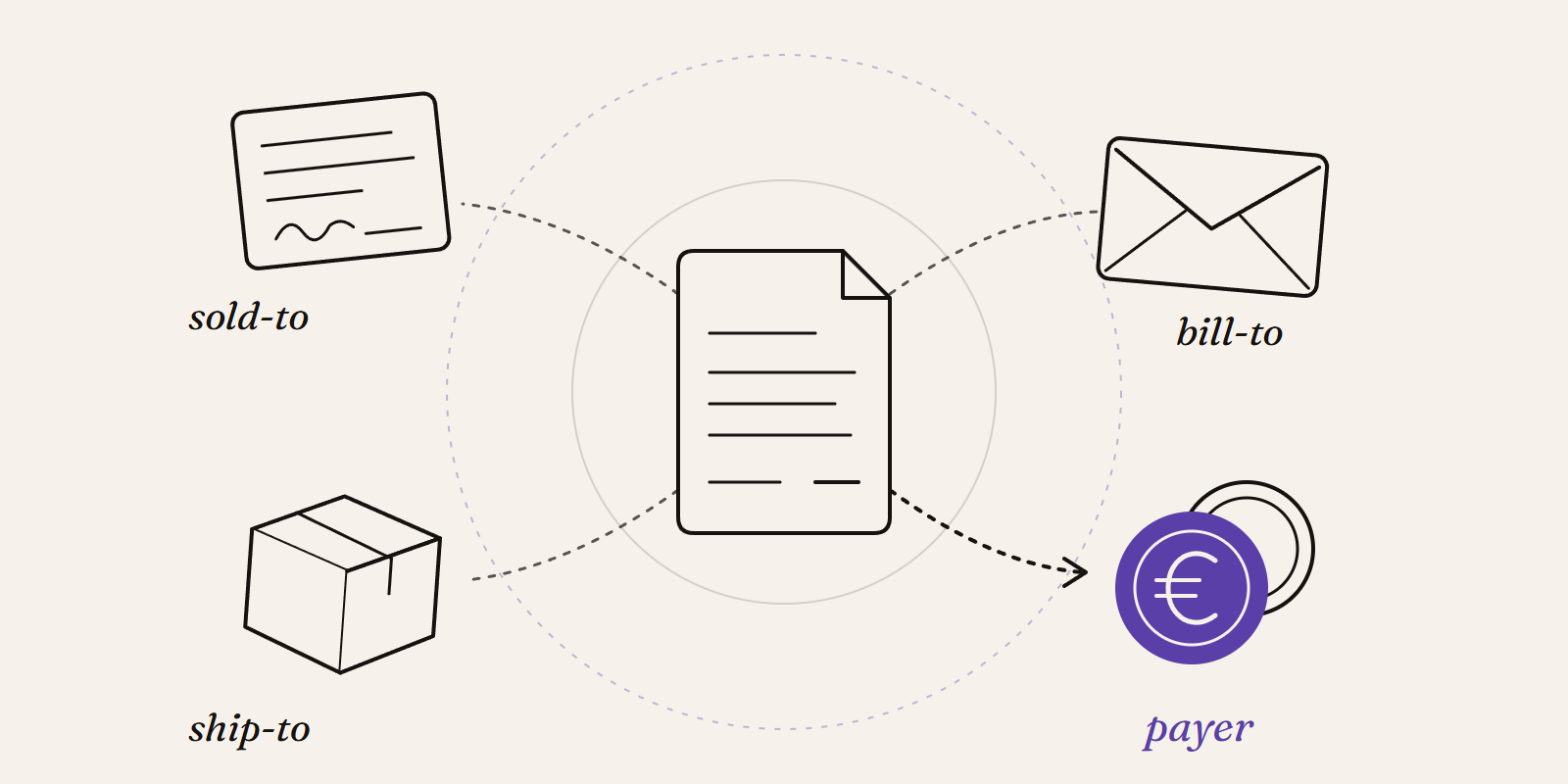
Sold-to, ship-to, bill-to and payer in SAP: who is actually your customer?
Sold-to, ship-to, bill-to and payer in SAP explained with a concrete example: who gets the invoice, whose account the receivable sits on, an...
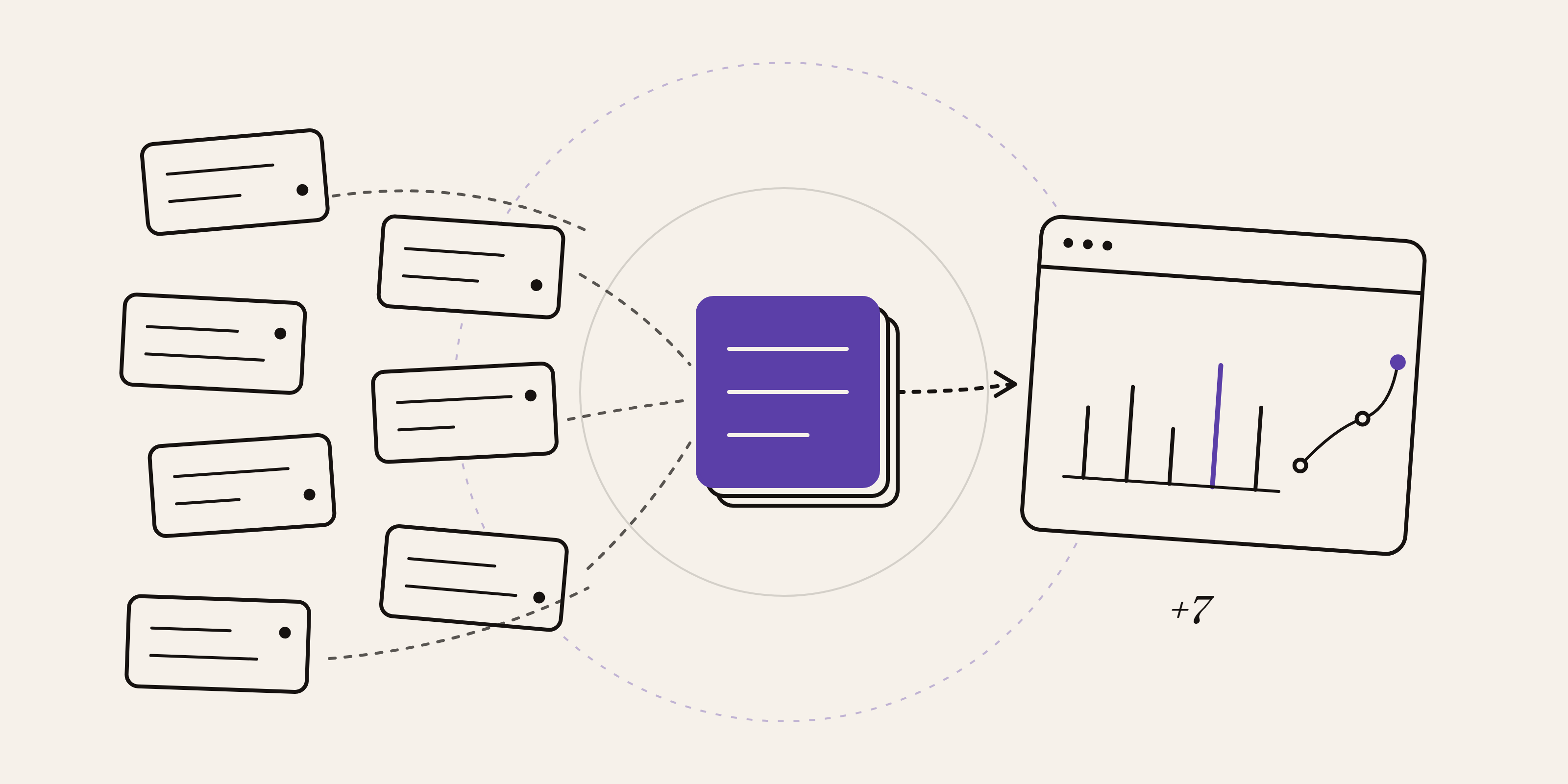
New Data Panda connectors in August 2026
Seven new Data Panda connectors from August 2026: ECB rates, ProfitPlus Webshop, SAP S/4HANA, Exact Venice, OpusFlow, ABAX and Sprout Social...