Human-in-the-Loop (HITL)
What is Human-in-the-Loop (HITL)?
Human-in-the-loop means that people stay deliberately involved in a process that is partly run by artificial intelligence. A person watches what the model does, checks the output, and steps in when needed. It is a partnership between human and machine, where the speed of technology meets human judgement and accountability.
AI systems can work fast, but they sometimes miss context or make confident mistakes. Keeping a person in the loop stops decisions from being taken on autopilot, with no room for nuance. The result stays fairer and easier to explain.
How does Human-in-the-Loop work?
There are two common ways HITL is used:
Validation: a person checks the AI's output before it gets acted on.
Example: a fraud analyst reviews the transactions an AI flagged as suspicious before any account is blocked.Feedback loop: human corrections feed back into the model so it gets better over time.
Example: when an AI mislabels product images, a team member fixes the labels and the system learns from those corrections.
Most organisations combine both. Validation protects quality on day one. The feedback loop makes the model smarter month after month.
When do you apply Human-in-the-Loop?
HITL is most valuable for decisions that have real impact on people or businesses. Typical examples:
Recruitment: AI shortlists candidates, but a recruiter decides who moves forward.
Healthcare: a clinician confirms an AI-suggested diagnosis before treatment.
Credit and insurance: a person reviews edge cases to catch errors or bias.
Fraud detection: staff verify suspicious signals before action is taken on an account.
Customer service: chatbots handle simple questions, humans pick up the complex conversations.
Rule of thumb: the more sensitive or complex the decision, the more important human involvement becomes.
The legal context
In the European Union, the AI Act requires meaningful human oversight for high-risk AI systems, such as those used in justice, education, healthcare, or recruitment. The rules apply to any organisation putting such systems into use within the EU, no matter where the provider is based.
The GDPR adds another layer. It gives people the right not to be subject to a fully automated decision when that decision has a significant effect on them. Organisations have to be able to show that a human review is genuinely possible, not just on paper.
Keywords
human-in-the-loop
hitl
ai
artificial intelligence
human oversight
feedback loop
ai act
gdpr
machine learning
fairness
bias
From the blog.
More pieces from the field on the same topic.
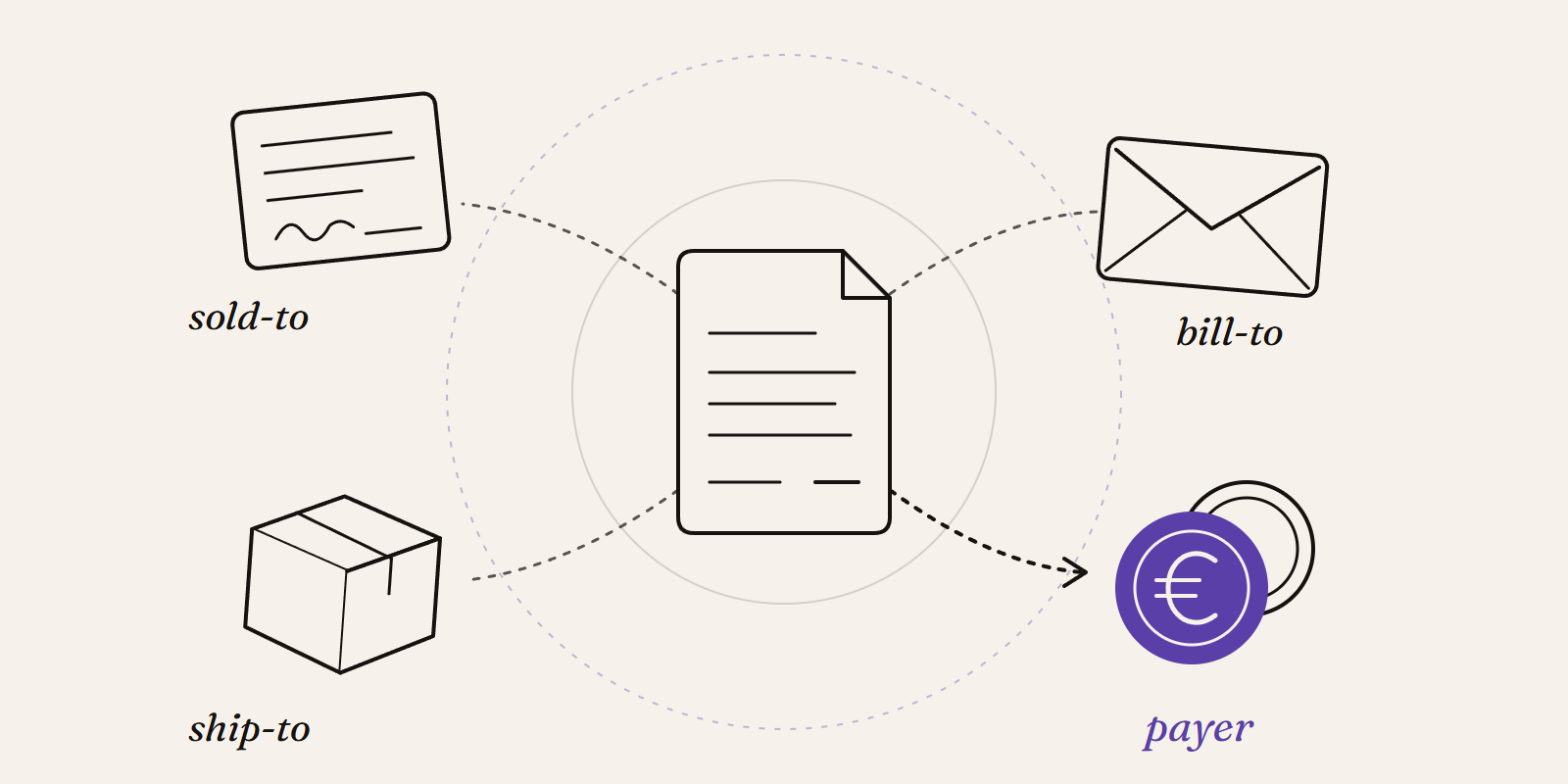
Sold-to, ship-to, bill-to and payer in SAP: who is actually your customer?
Sold-to, ship-to, bill-to and payer in SAP explained with a concrete example: who gets the invoice, whose account the receivable sits on, an...
New Data Panda connectors in August 2026
Seven new Data Panda connectors from August 2026: ECB rates, ProfitPlus Webshop, SAP S/4HANA, Exact Venice, OpusFlow, ABAX and Sprout Social...