KPI (Key Performance Indicator)
What is a KPI?
A KPI, or Key Performance Indicator, is a measurable indicator of progress toward an important goal. KPI.org describes KPIs as critical, quantifiable indicators of progress toward an intended result.
The word key matters. A metric is any measurement. A KPI is one of the measurements that should change decisions. If it moves, someone should care, understand why, and know what action may follow.
A useful KPI has four parts: a definition, an owner, a target, and a time period. Without those, it is usually just a number on a dashboard.
KPI versus metric
A metric is any measured value: page views, refresh duration, invoice count, login attempts, stock level, average handling time. Metrics are useful, but most of them are not strategic.
A metric becomes a KPI when it is tied to a business objective.
Metric: monthly revenue.
KPI: increase monthly recurring revenue to 250,000 euros by Q4, owned by the sales director.
Metric: support tickets closed.
KPI: keep first-response time under two hours for priority customers, owned by the service manager.
If everything is called a KPI, nothing is key. A department with thirty KPIs usually has a measurement problem, not a strategy.
What makes a good KPI?
Clear business goal
The KPI should connect to a goal people recognise: revenue, margin, retention, delivery reliability, customer satisfaction, cash collection, quality, or safety.
Exact definition
Write the formula. Define the numerator, denominator, filters, time period, currency, source systems, and exclusions. Active customer is not defined until everyone knows exactly which customers count.
Owner
A KPI needs a business owner, not just a report owner. The data team can build the dashboard, but the business owner is responsible for the outcome.
Target and threshold
People need to know what good, warning, and bad mean. A number without a target is hard to interpret.
Action
If the KPI turns red, what happens? A KPI that never leads to a decision is decoration.
Leading and lagging KPIs
Lagging indicators measure what already happened: revenue last month, churn last quarter, gross margin, completed orders, absenteeism. They confirm results.
Leading indicators point to what may happen next: qualified pipeline, scheduled demos, open risks, unresolved defects, stockouts predicted, training completion. They help teams act before the final result arrives.
A healthy dashboard uses both. If you only track lagging KPIs, you mostly drive through the rear-view mirror. If you only track leading indicators, you may measure activity without confirming the result.
KPI governance
KPI governance is the work that keeps numbers trusted.
Business glossary
Document every important KPI in plain language: definition, formula, owner, source systems, refresh frequency, target, and last review date.
One calculation point
Calculate the KPI once where possible, for example in a shared semantic model. Do not let every report redefine churn, revenue, or active customer in its own DAX measure.
Version control
Definitions change. When they do, record what changed, who approved it, and from which date the new logic applies. Silent changes ruin trend analysis.
Review rhythm
Review KPI definitions regularly with business owners, finance, operations, and the data team. A KPI that made sense last year may be wrong after a new product, sales channel, or accounting rule.
Common KPI mistakes
Vanity metrics
Total registered users, cumulative page views, or total downloads often look good because they only rise. They may say little about current health.
No owner
If nobody owns the number, nobody improves it.
Conflicting definitions
Sales, finance, and operations each calculate revenue differently. The meeting becomes a debate about numbers instead of decisions.
Goodhart's law
When a measure becomes a target, it can stop being a good measure. People may optimise the score instead of the underlying business result.
Too many KPIs
Keep a small set of core KPIs and a wider set of supporting metrics. The dashboard should focus attention, not scatter it.
Keywords
KPI
key performance indicator
metric
business glossary
data governance
Power BI
semantic model
dashboard
scorecard
leading indicator
lagging indicator
Goodhart's law
From the blog.
More pieces from the field on the same topic.
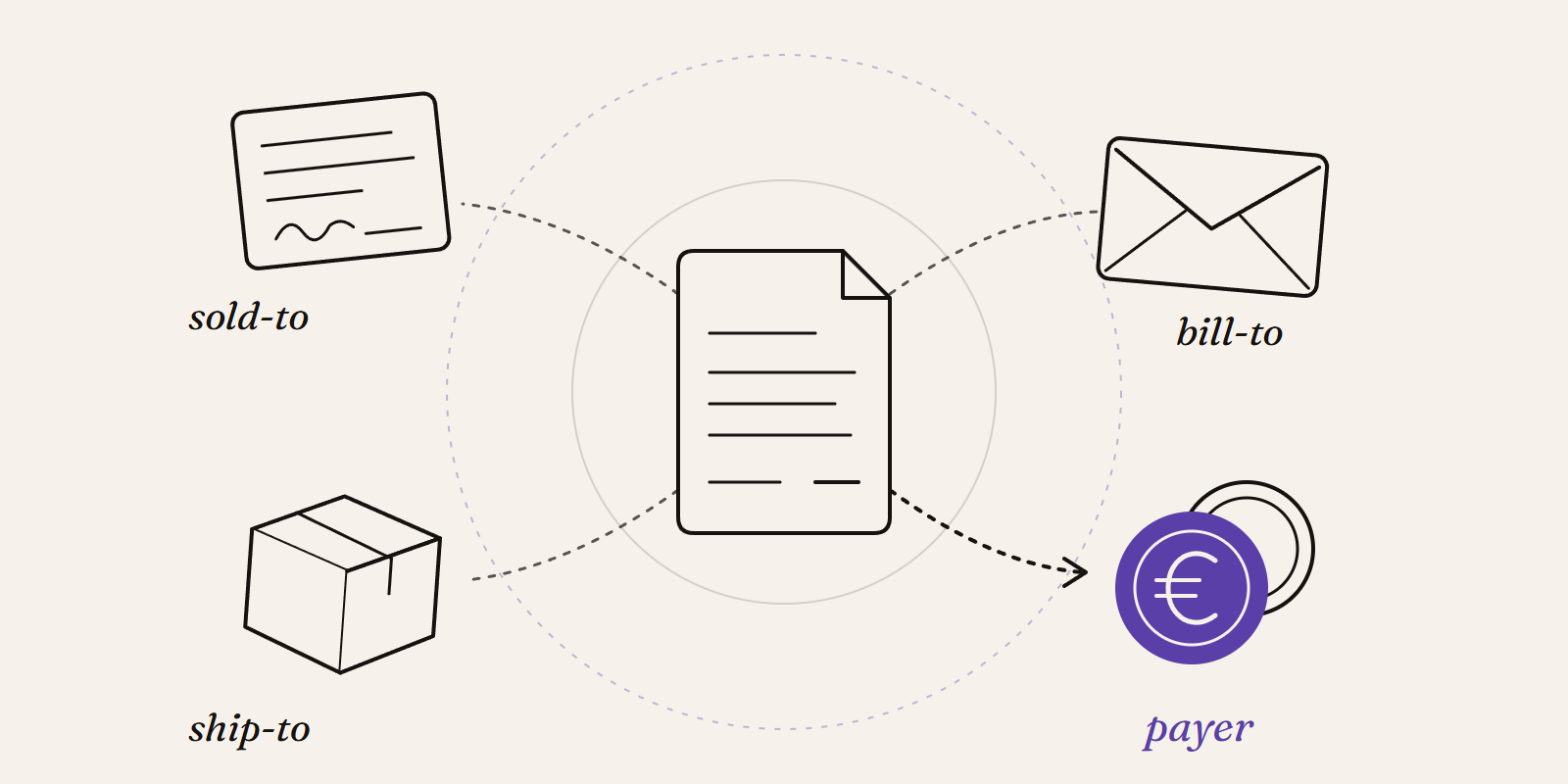
Sold-to, ship-to, bill-to and payer in SAP: who is actually your customer?
Sold-to, ship-to, bill-to and payer in SAP explained with a concrete example: who gets the invoice, whose account the receivable sits on, an...
New Data Panda connectors in August 2026
Seven new Data Panda connectors from August 2026: ECB rates, ProfitPlus Webshop, SAP S/4HANA, Exact Venice, OpusFlow, ABAX and Sprout Social...