Microsoft Dataverse
What is Microsoft Dataverse?
Microsoft Dataverse is a managed data platform for business applications. Data is kept in tables made of rows and columns, and on top of that storage Dataverse adds relationships, validation rules, access control, auditing, APIs and server-side logic.
It is the default data layer under most of Microsoft Power Platform and Dynamics 365. A Power Apps app can show and edit records, Power Automate can react to a change, and Power Pages can expose a controlled slice of the same data to external visitors. They all read and write the same rows.
A useful way to picture it: a relational database that already ships with much of the application layer attached. That is what makes building fast, and it is also why the data model and the security model deserve real design attention before you draw a single screen.
Tables, columns and relationships
A table describes a kind of business object, such as a customer, a contract, an inspection or an application. Each row is one instance of that object. Columns define which properties are stored and what type each one holds: text, a date, an amount, a choice, or a reference to another record.
Dataverse ships with standard tables for common concepts, including Account and Contact. You can extend those or create your own. A custom inspection table might carry a date, a location, an assessor, a status and a photo.
Relationships connect records. One customer can have many applications, while each application points back to a single customer. Many-to-many relationships record that several records on both sides belong together. These relationships drive storage as well as navigation and forms in model-driven apps.
A good table boundary follows a business concept people already recognise. When one table tries to be customer, contract and invoice at once, permissions and rules get muddy fast. Sketching the concepts and how they relate first pays off later.
Logic and data quality
Dataverse can run rules on the server, independent of the screen used to enter the data. A business rule can make a column required, set a value, or show an error message. Column settings guard data types and certain constraints.
For more involved logic, a developer can register a plug-in that fires on an operation, for example before a record is saved or after a status changes. That suits rules which must always hold, even when data arrives through an API or an import. A plug-in should stay short and predictable; waiting for a human approval does not belong inside the same storage transaction.
Power Automate fits a process that continues outside that transaction. A status change can kick off an approval, an email or a task without blocking the save.
Dataverse does not automatically prevent duplicate or badly modelled data. Alternate keys, clear ownership and input checks are still your job, and for imports and integrations you have to decide which system is the leading source.
Security in Dataverse
Dataverse combines several layers of security. Security roles grant privileges on tables, such as read, create, write and delete, and each privilege carries an access level that decides whether the right applies only to a user's own records or more broadly across the organisation. This is role-based access control (RBAC) applied to business data.
Business units group responsibility and access along the shape of the organisation. Teams can own records or share rights. Column-level security restricts sensitive fields, such as salary or an identifier, from users who may still see the rest of the record.
The app someone works in does not replace these rights. A hidden button is not a security control. Dataverse permissions are enforced just as much when data is reached through a different app or a supported API.
Auditing can record changes to selected tables and columns. Decide up front which events you actually need for operational or legal reasons; logging everything makes review more expensive and less focused.
Dataverse in a Power Platform solution
Say an organisation handles grant applications. Power Pages collects the request and documents from the external applicant. Dataverse stores the case, the organisation involved, the assessment criteria and the status.
A model-driven Power App gives case handlers forms and views to review applications. Power Automate routes tasks and approvals to the right people. Power BI analyses throughput and volumes per application type. Every part references the same records and relationships.
Solutions package tables, columns, apps, flows and other components so they can move between development, test and production environments. A solution carries metadata and configuration, not every business record by default. Reference and configuration data need their own deployment plan.
Dataverse versus a plain relational database
Both Dataverse and a relational database store structured data in tables and relationships. With a database like SQL Server, a team usually builds the API layer, forms, permission structure, audit features and deployment around the schema itself.
Dataverse delivers much of that as a platform service. Tables come with metadata that Power Apps, Power Automate and the rest of Power Platform understand, which speeds up solutions that fit inside that ecosystem.
A plain database gives more direct control over queries, indexes, storage and technical architecture. It can be the better fit for heavy transaction processing, existing applications, or a platform-independent service. Dataverse fits better when business apps, roles and automation are the centre of gravity.
The two also work together through connectors, APIs, virtual tables or integration processes. Avoid needless copies and write down where a record is officially maintained.
What to watch out for with Dataverse
Do not start with screens. Start with concepts, ownership and access: which tables you need, which relationships match reality, and which roles perform which actions.
Keep development, test and production apart. Use solutions for changes and include dependent components. A deleted column or an altered choice can affect several apps, flows and reports at once.
Watch capacity, integration errors, plug-in execution and unused components. Check licensing and regional storage requirements too. Dataverse takes over the technical management, but not the responsibility for data quality, privacy and the meaning of your business data.
Keywords
Microsoft Dataverse
Dataverse
Microsoft Power Platform
Power Automate
Power BI
RBAC
metadata
API
data governance
low-code and no-code
From the blog.
More pieces from the field on the same topic.
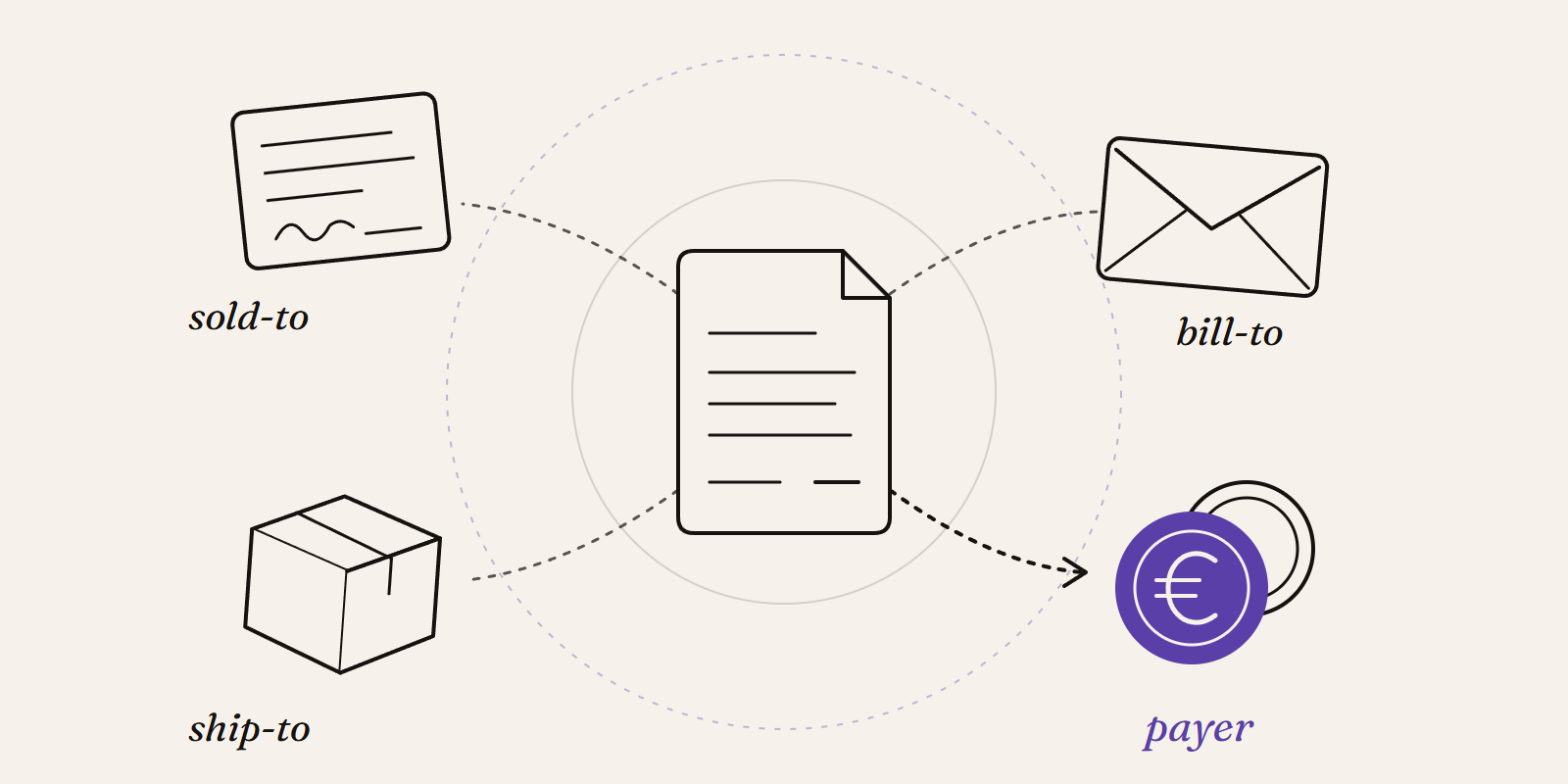
Sold-to, ship-to, bill-to and payer in SAP: who is actually your customer?
Sold-to, ship-to, bill-to and payer in SAP explained with a concrete example: who gets the invoice, whose account the receivable sits on, an...
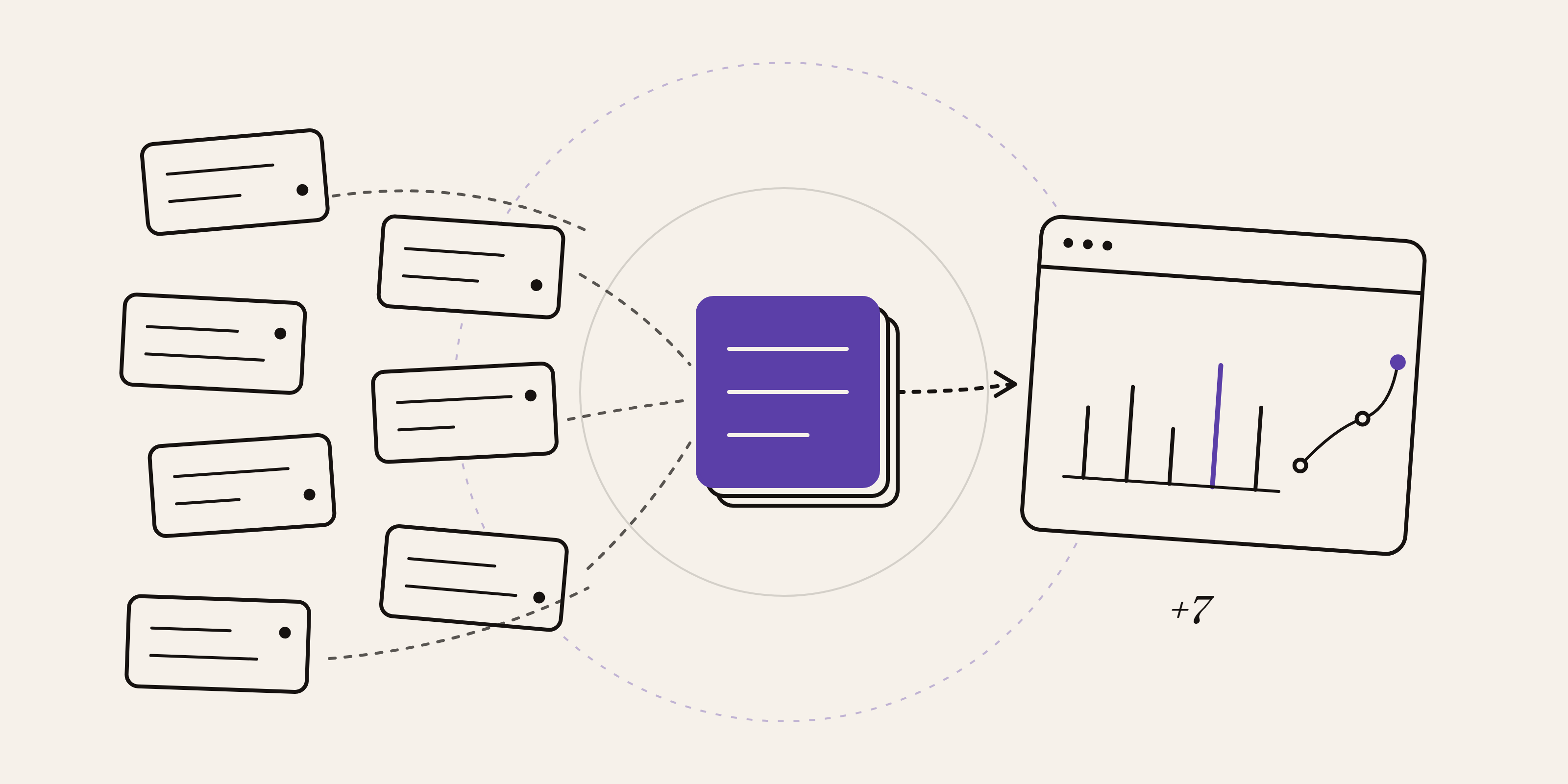
New Data Panda connectors in August 2026
Seven new Data Panda connectors from August 2026: ECB rates, ProfitPlus Webshop, SAP S/4HANA, Exact Venice, OpusFlow, ABAX and Sprout Social...