Microsoft Power Platform
What is Microsoft Power Platform?
Microsoft Power Platform is a family of low-code products for building business software without writing much traditional code. With it you can build apps, automate workflows, analyze data, publish external websites, and create AI agents. Each product works on its own, but they share connectors, administration, and often a common data store, so one solution can reach across several of them.
The platform does not replace software engineering. What it shortens is the distance between a business problem and something people can actually use. A colleague can build an intake screen in Power Apps, have Power Automate route it for approval, and track the outcome in Power BI, without any of those steps starting a full development project.
Power Platform lives inside the Microsoft ecosystem. It signs in with the same Microsoft 365 identities, reads and writes to SharePoint, Outlook, Teams, and Dynamics 365, and reaches outside Microsoft through connectors. That tight fit is the main reason organizations already on Microsoft 365 reach for it first. It is one of the clearest examples of low-code and no-code development inside a business.
The five products
Power Platform is usually described as five products on a shared foundation. You can adopt one and ignore the rest, or combine them.
Power Apps builds business applications. A canvas app gives you free control over the screen layout and pulls data from any connector. A model-driven app starts from Dataverse tables, relationships, and forms, and generates its interface from that data model. This is the tool for the intake screens, inspection checklists, and case-tracking apps that used to live in a spreadsheet.
Power Automate runs the workflows. A cloud flow reacts to an event in an online service, runs on a schedule, or starts on demand, and an approval workflow is one of its most common uses. A desktop flow drives an application or website through its own interface when no API is available, which is the robotic process automation side of the product.
Power BI turns raw data into semantic models, reports, and dashboards, and it uses Power Query to shape incoming data before it lands in the model. The same Power BI also belongs to Microsoft Fabric, so a report you build here can sit next to a full data platform later.
Power Pages builds external-facing websites. Customers, suppliers, or citizens sign in and read or update data held in Dataverse, and public pages can stay open to anyone. It is the newest member of the family.
Microsoft Copilot Studio builds AI agents that answer questions and carry out tasks. An agent combines instructions, knowledge sources, conversation topics, and tools, and a Power Automate flow can be one of those tools. Copilot Studio was renamed from Power Virtual Agents, and existing Power Virtual Agents chatbots migrate into it.
Dataverse and the connector layer
Two shared pieces hold the products together. The first is Microsoft Dataverse, the platform's own data store. It keeps business data in tables and adds relationships, business rules, security roles, and server-side logic on top of plain storage. Because the definition of a customer, a request, or a case lives in one place, the same record can drive an app, a flow, and a report without being copied between them.
Dataverse is metered by capacity, not by row count. Every tenant gets a pool of database, file, and log storage, and each paid license adds a little more to that pool. The three types are counted separately, so a surplus of file storage will not cover a database shortfall, and every environment you create consumes storage whether or not it holds a database. Capacity is a line item you plan for, not a free byproduct.
The second shared piece is the connector library: more than a thousand prebuilt links to systems like SharePoint, SQL Server, Salesforce, and Dynamics 365, plus a generic path to any web API. This is the integration surface. Apps, flows, and agents all reach the outside world through the same connectors, so you do not rebuild an integration for each product. In practice this layer does much of what a standalone iPaaS does, joining systems through ready-made connectors instead of hand-written code. When no connector exists, a maker or developer can build a custom connector to fill the gap.
How the products work together
Take supplier onboarding. A new supplier fills in a form on a Power Pages site, and the submission lands as a record in Dataverse. Power Automate starts an approval workflow and sends the request to the responsible buyer. Once approved, the flow writes the status back, creates a follow-up task, and emails the supplier. An internal Power App lets staff chase missing documents, and Power BI shows how many requests are still open and where the throughput time is climbing.
Every step points at the same record, so nobody rekeys the supplier's details and there is one place to check progress. That is the payoff of the shared foundation: one data model, one set of connectors, five ways to work with them.
This joined-up behavior does not happen on its own. Teams have to agree which data is authoritative, who owns each flow, and how a change moves from a test environment into production. Without those agreements, a pile of quick fixes turns into software nobody can safely maintain.
Standard versus premium licensing
Licensing is where Power Platform projects most often go wrong, and it turns on one distinction: standard connectors versus premium connectors. Apps and flows that use only standard connectors, such as SharePoint, Outlook, and Teams, run on the Power Platform rights already seeded into most Microsoft 365 plans. Nobody buys anything extra.
The moment a solution touches a premium connector, the picture changes. SQL Server, Azure SQL, and the Dynamics 365 connector are all premium, and so are custom connectors, on-premises data gateways, and Dataverse tables. Any one of these flips the app or flow to premium, and then every user who opens it needs a standalone Power Apps or Power Automate license, sold per app or per user, or paid through a pay-as-you-go plan.
This is the cost cliff that catches teams off guard. A citizen developer builds a leave-request app on SharePoint, and it is free to everyone. Later they point it at the HR database over the SQL Server connector to stop retyping data. The app looks the same to users, but it is now premium, and a pilot for five people turns into a paid seat for the whole department. Nothing warns you at the moment you add the connector. Check an app's license designation on its details page before you promise it to a floor of users, not after.
Governance, environments, and shadow IT
Every solution runs inside an environment, a container with its own Dataverse database, security, and boundary. Most organizations keep separate environments for development, testing, and production, and package apps, flows, and tables into solutions so a change can be promoted between them in a controlled way. This is the application lifecycle discipline that keeps a live app from being edited in place.
Two controls do most of the day-to-day work. Data loss prevention policies decide which connectors are allowed to share data in the same app or flow, by sorting them into business, non-business, and blocked groups; a single resource cannot mix a business connector with a non-business one. Policies apply at the tenant or environment level, and the most restrictive one wins. The standard advice is to lock down the default environment first, because that is where every user can build by default.
That default environment is also where shadow IT grows. When anyone can create apps and flows and no policy stops them, you end up with business-critical automations owned by one person, wired to personal accounts, and invisible to IT. The Center of Excellence Starter Kit was the long-standing answer: an open-source set of Power Apps, flows, and Power BI dashboards that inventories every app, flow, and maker across the tenant so admins can see what exists and who owns it. Microsoft is now folding that capability into the Power Platform admin center and its Managed Environments, but the job is the same. Good data governance starts with knowing what you have, who uses it, and who fixes it when it breaks.
Keywords
Microsoft Power Platform
Power Apps
Power Automate
Power BI
Power Query
Power Pages
Copilot Studio
Microsoft Dataverse
low-code and no-code
iPaaS
data governance
citizen development
From the blog.
More pieces from the field on the same topic.
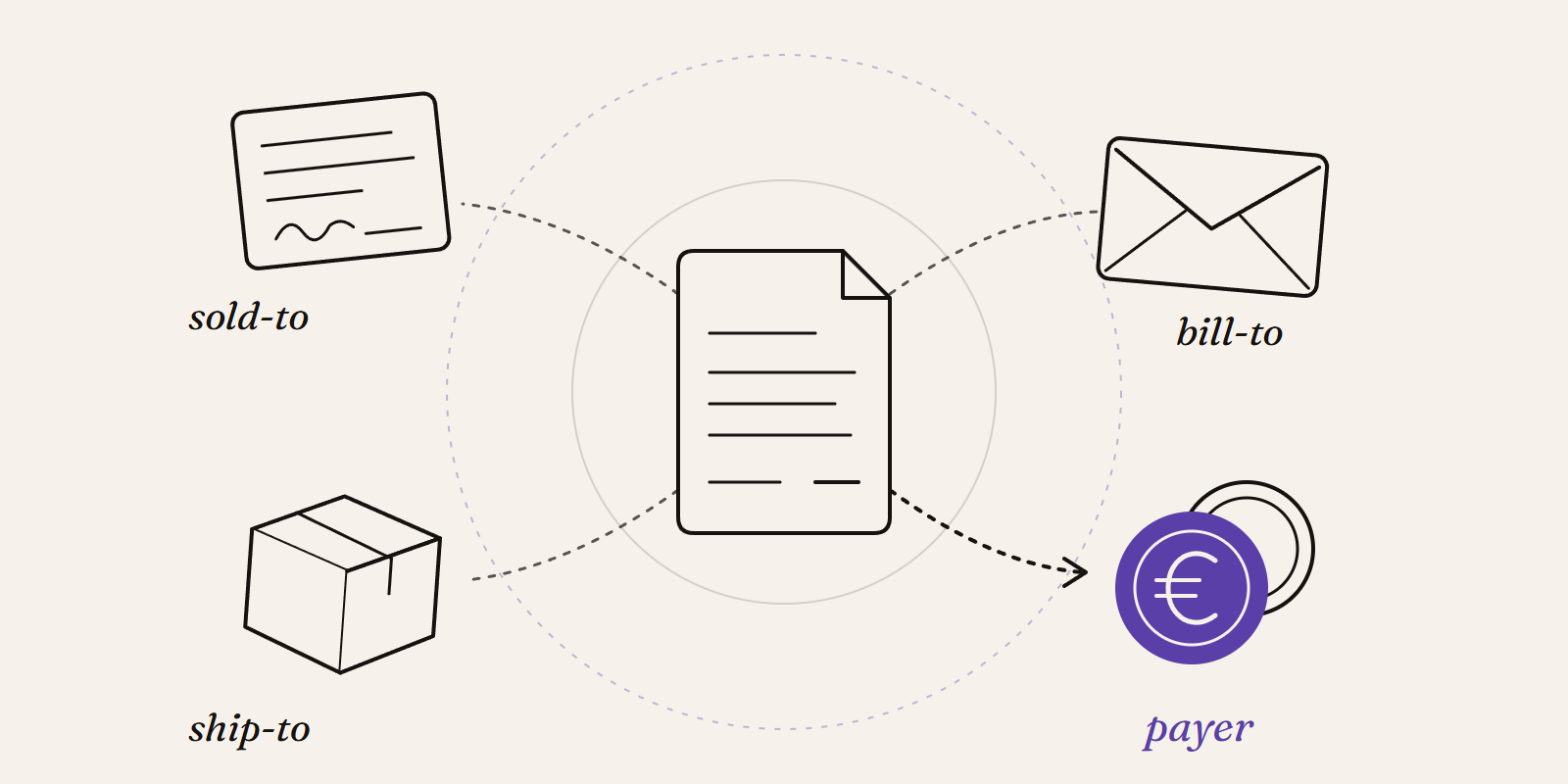
Sold-to, ship-to, bill-to and payer in SAP: who is actually your customer?
Sold-to, ship-to, bill-to and payer in SAP explained with a concrete example: who gets the invoice, whose account the receivable sits on, an...
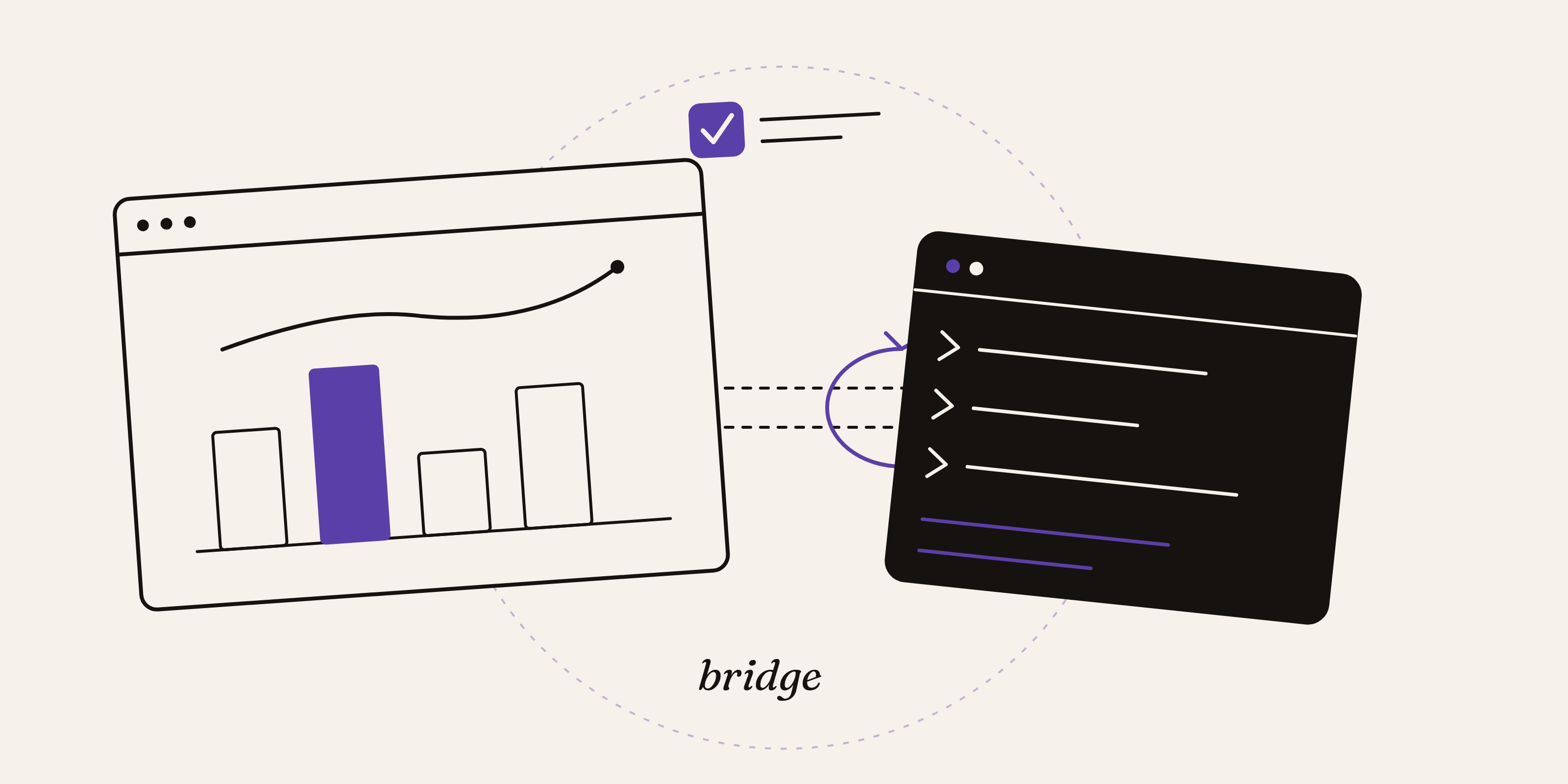
How to enable the Power BI Desktop Bridge (and the CLIs the docs leave out)
The June 2026 Power BI Desktop Bridge lets an agent build and verify reports. Here is how to enable it and install the two CLIs the docs lea...