Intelligent Process Automation (IPA)
What is Intelligent Process Automation (IPA)?
Intelligent Process Automation (IPA) is an umbrella term for technologies that together automate repetitive business processes and make them smarter.
It usually combines three ingredients:
RPA (Robotic Process Automation): software that performs manual steps, such as copying data from one system to another.
AI and machine learning: models that help take decisions, recognise patterns, and deal with exceptions.
Process analysis: a layer that looks at the workflow as a whole and finds places to improve it.
On its own, RPA only follows fixed scripts. IPA goes further: it learns as it works, adapts, and copes with situations that are not exactly the same every time.
Example: invoice processing
A company receives hundreds of supplier invoices by email every day.
An RPA bot picks up the invoices automatically and reads them out.
An AI model identifies the supplier, amount, and category, even when the layout of the invoice changes.
A process layer decides whether the invoice can be booked straight away or needs a human review first.
The result is speed combined with judgement. The easy invoices flow through untouched. The unusual ones land on the right person's desk with the relevant data already extracted.
How IPA differs from plain automation
Traditional process automation follows fixed rules. If the input matches the rule, the action runs. If not, the process either stops or sends the case to a person.
IPA adds a layer of intelligence on top. It can read unstructured input like a PDF, an email, or a scanned document. It can classify, score, and predict. And it improves over time as it sees more examples.
That said, IPA is a way of working and a combination of technologies, rather than a specific product you can buy off the shelf. You assemble it from the tools that fit your situation.
Keywords
intelligent process automation
IPA
RPA
AI
machine learning
process automation
process optimisation
workflow automation
Power Automate
From the blog.
More pieces from the field on the same topic.
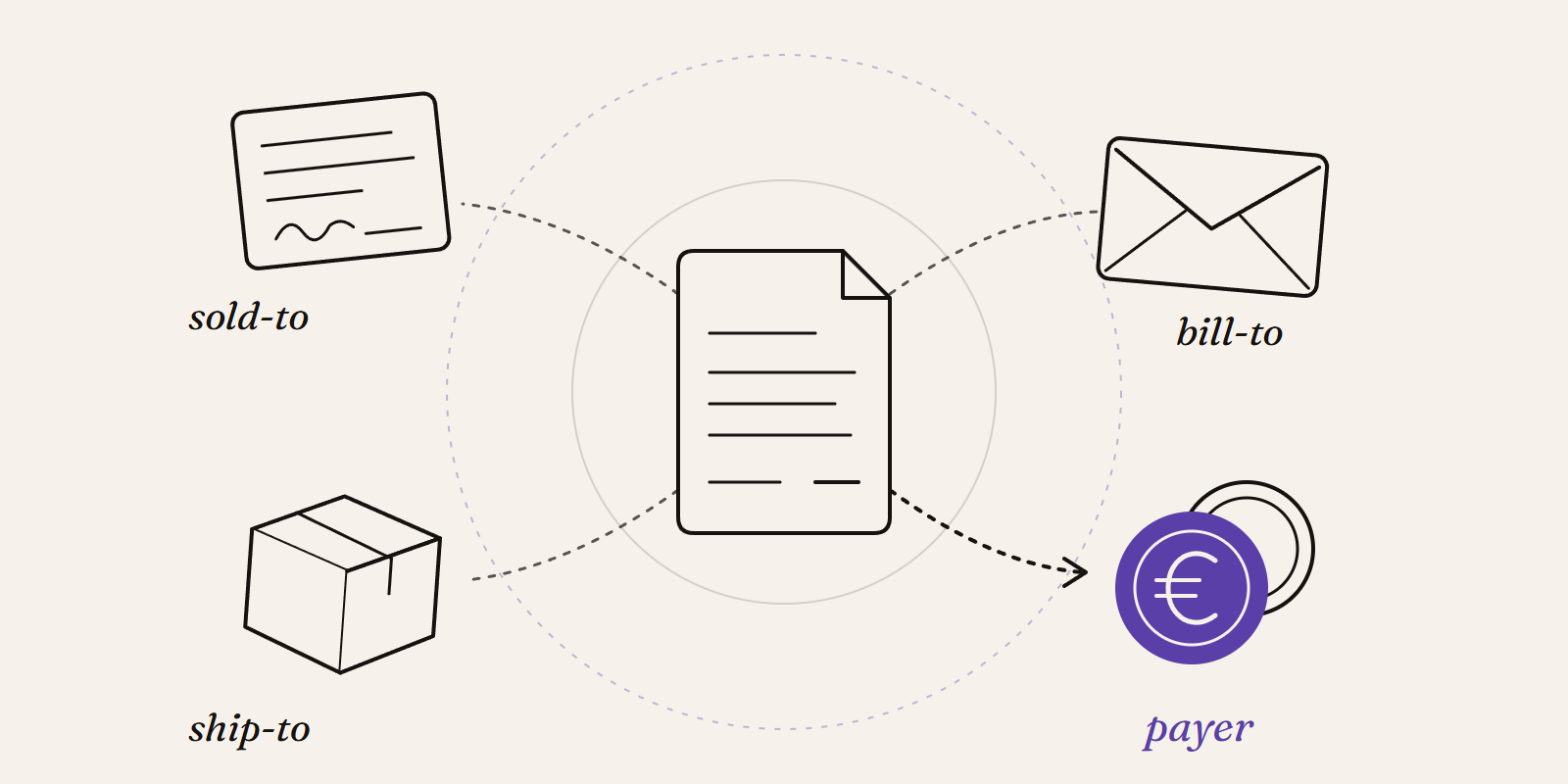
Sold-to, ship-to, bill-to and payer in SAP: who is actually your customer?
Sold-to, ship-to, bill-to and payer in SAP explained with a concrete example: who gets the invoice, whose account the receivable sits on, an...
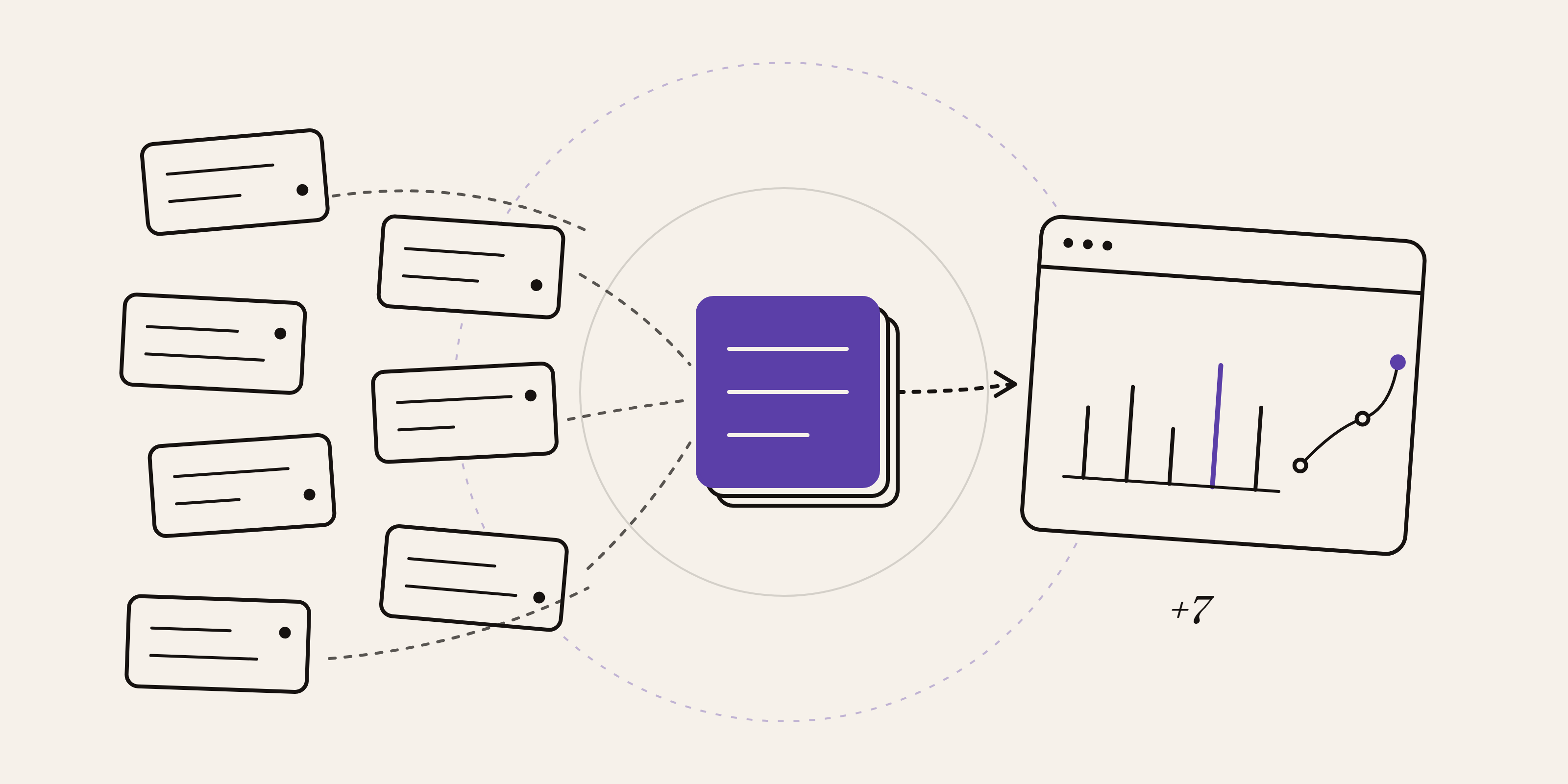
New Data Panda connectors in August 2026
Seven new Data Panda connectors from August 2026: ECB rates, ProfitPlus Webshop, SAP S/4HANA, Exact Venice, OpusFlow, ABAX and Sprout Social...