Throughput time
What is throughput time?
Throughput time is the time between the start event and the end event of a case. For a leave request, the clock runs from "request submitted" to "request closed". For an order, from "order created" to "invoice paid".
In process mining this is the per-case performance measure. It counts everything: processing, waiting, handovers, approvals. In Dutch the same measure is called doorlooptijd; in Lean it is often called lead time; Celonis uses throughput time.
How do you measure throughput time from an event log?
Every row in an event log has at least a case ID, an activity and a timestamp. Per case you take the earliest and the latest event; the difference is the throughput time.
One case says very little. It gets interesting when you aggregate:
Average: first impression; easily skewed by outliers.
Median: the typical case; more reliable on a long tail.
P90 or P95: 90 or 95 percent of cases sit below this value. Handy for service levels.
You can also narrow the measurement to two specific activities, for instance between "submitted" and "approved". That lets you isolate where the time goes.
Throughput time, processing time and wait time
Three terms that often get mixed up.
Throughput time: the full clock from start to end of a case.
Processing time: the time during which something is actively being done on the case.
Wait time: the time the case sits idle between two activities.
The relationship: throughput time = processing time + wait time. A leave request in a small business often needs 4 hours of processing but has a throughput time of 3 working days. The difference is wait time: the request sits in the manager's inbox, waits for HR review, waits for the next processing round. In many processes, processing time is less than 10 percent of throughput time. Speeding things up is therefore rarely about working harder; it is about removing waits.
How do you cut throughput times?
Once you have the throughput time per stage in view, you can see where the time gets stuck. The levers:
Fix the bottleneck. One step usually accounts for the biggest chunk of wait time. Fix that and the whole throughput time drops.
Run steps in parallel. If two approvals do not depend on each other, they do not have to run one after the other.
Loosen approval rules. Not every 50-euro request needs to go past the director. Threshold amounts and automatic approvals cut throughput time without adding risk.
Automate repetitive steps. Retyping data, sending confirmations, updating statuses: a workflow engine or a Power Automate flow does that in seconds.
Measure again after you change something. Throughput time is only shortened when you see it in the event log, not on a slide.
Keywords
throughput time
lead time
cycle time
processing time
wait time
process mining
event log
case
bottleneck
workflow engine
kpi
lean
From the blog.
More pieces from the field on the same topic.
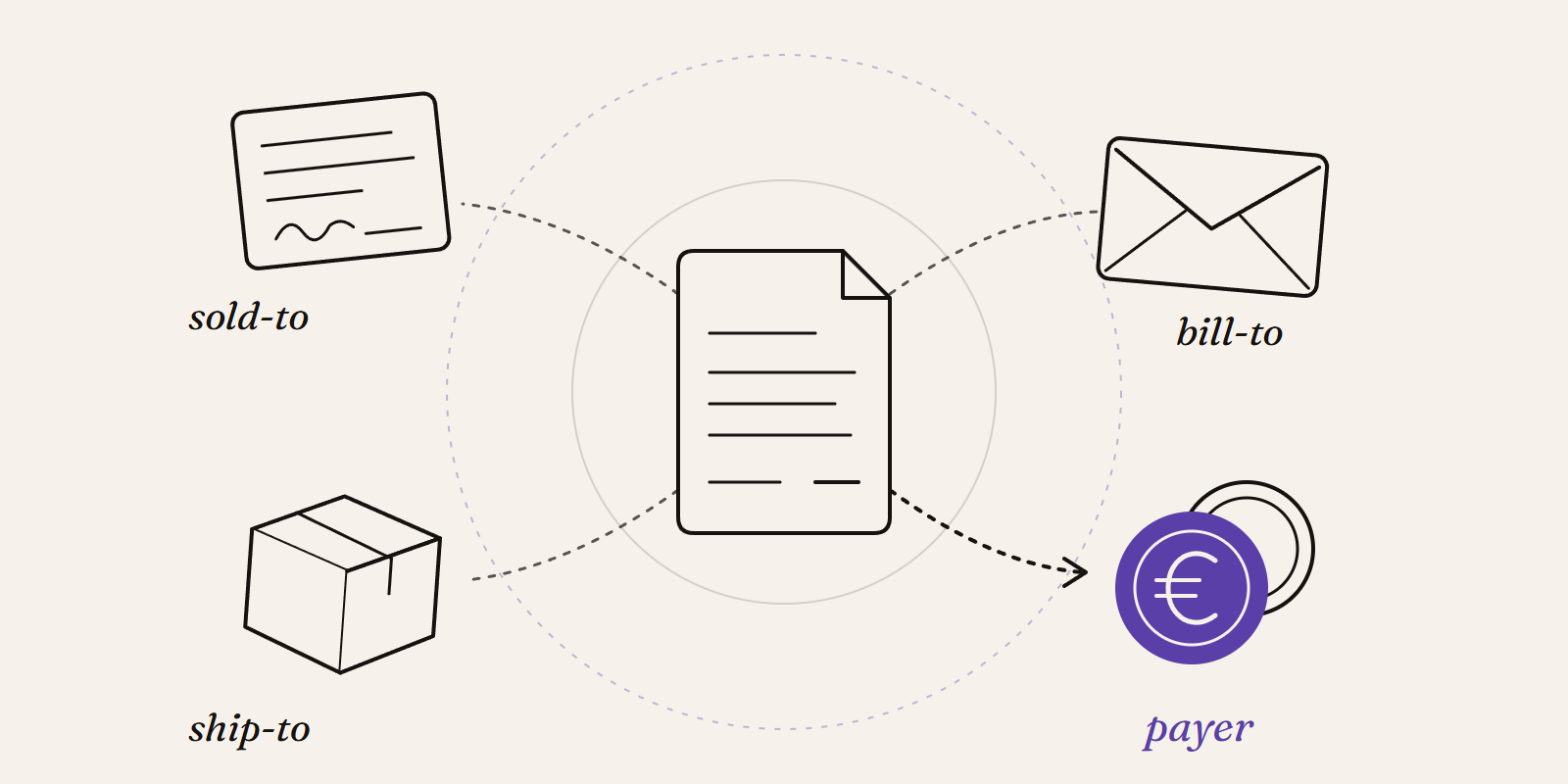
Sold-to, ship-to, bill-to and payer in SAP: who is actually your customer?
Sold-to, ship-to, bill-to and payer in SAP explained with a concrete example: who gets the invoice, whose account the receivable sits on, an...
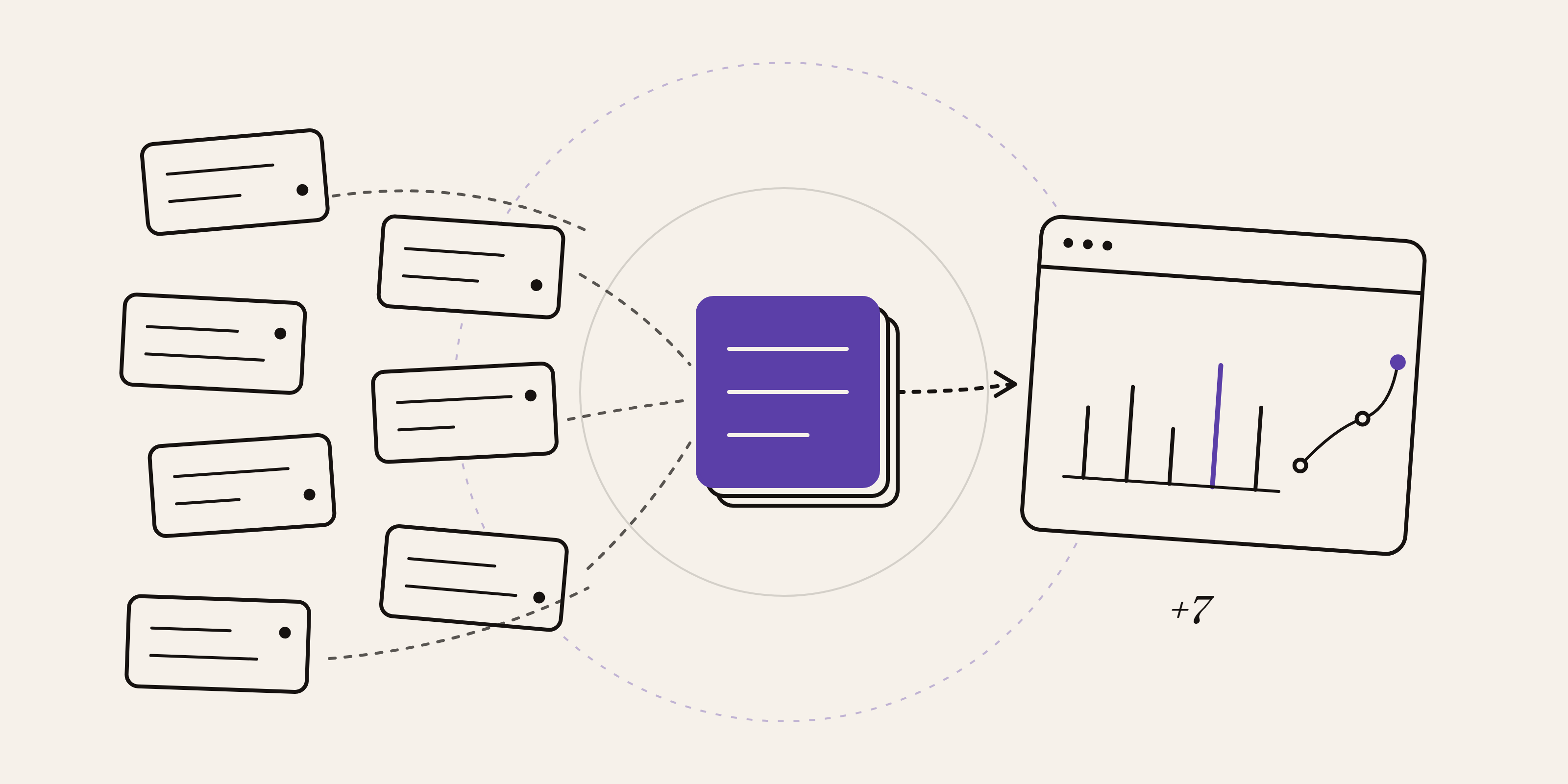
New Data Panda connectors in August 2026
Seven new Data Panda connectors from August 2026: ECB rates, ProfitPlus Webshop, SAP S/4HANA, Exact Venice, OpusFlow, ABAX and Sprout Social...