Object Level Security
What is Object Level Security?
Object Level Security (OLS) lets you make specific tables or columns completely invisible to certain users. You decide who sees what. When someone has no access, the object disappears entirely from view. It is as if that table or column never existed. The user does not see it in the model, cannot reference it in filters or visuals, and cannot infer anything from it.
This is useful when you want to share a report without exposing every underlying field. You can publish a sales results report across the whole organisation, while the purchase price column stays visible only to the finance team. For everyone else, that column is simply gone.
The idea is simple. Give people access to the information they need, and keep sensitive data tucked safely out of sight.
The difference with Row Level Security
OLS often gets confused with Row Level Security (RLS), but the two do completely different things.
RLS controls which rows someone can see inside a table. The user still sees the table itself, but only the records they are allowed to access. Think of a salesperson who sees the sales numbers for their own region. The other rows stay hidden, but the structure is identical for everyone.
OLS goes further. Instead of hiding rows, you hide whole tables or whole columns. The user cannot filter on them, cannot use them by accident, and never sees that they exist anywhere in the model.
When do you use which?
You reach for RLS when different people need to see the same columns but not the same rows.
You reach for OLS when parts of the model itself should not be shared at all, regardless of the values inside them.
In practice the two are often used together. That combination lets you build one secure data model that stays tidy and easy to use, without maintaining a separate report version for every audience.
Keywords
object level security
OLS
row level security
RLS
Power BI
Microsoft Fabric
data governance
data security
semantic model
sensitive data
From the blog.
More pieces from the field on the same topic.
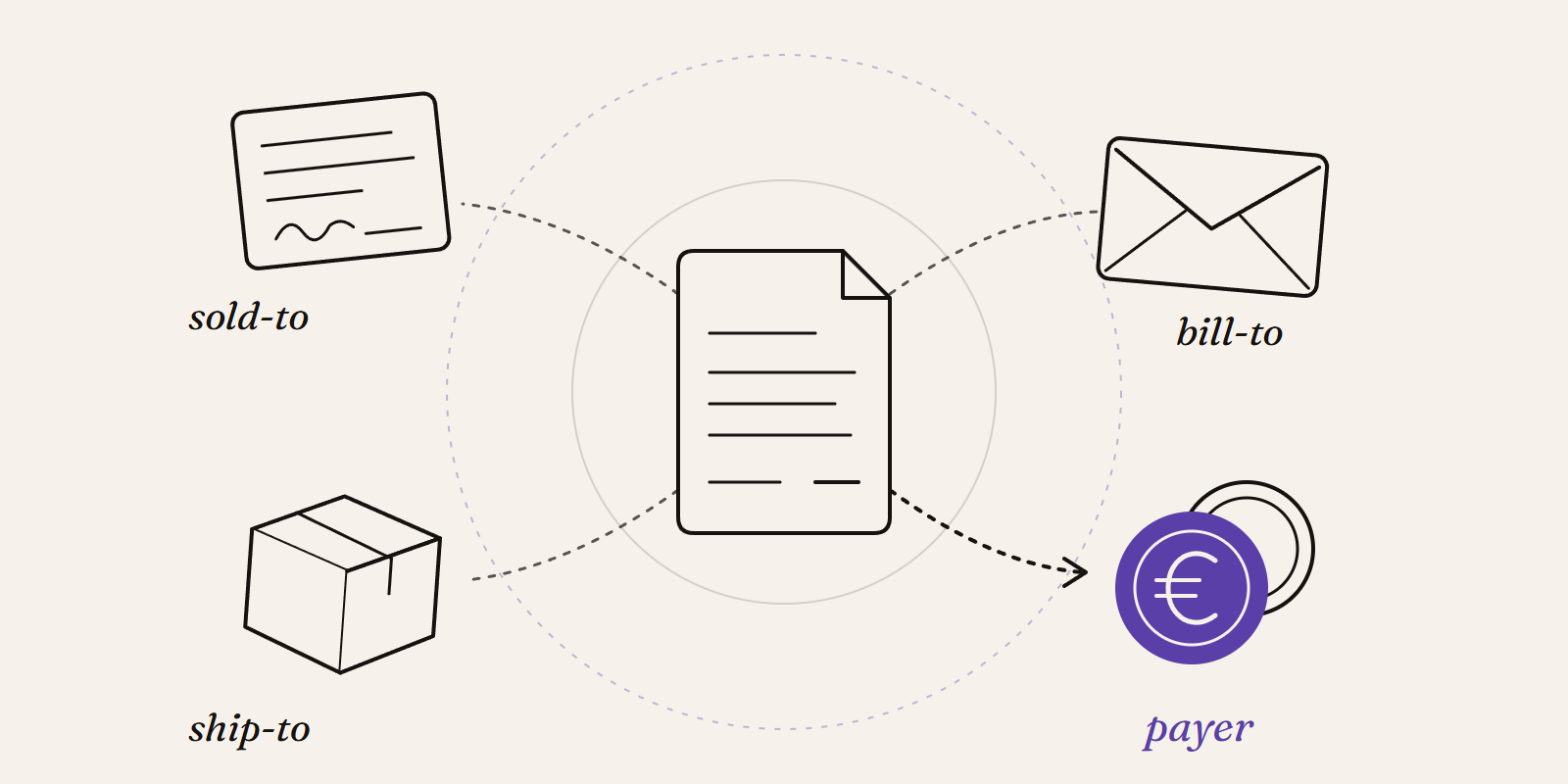
Sold-to, ship-to, bill-to and payer in SAP: who is actually your customer?
Sold-to, ship-to, bill-to and payer in SAP explained with a concrete example: who gets the invoice, whose account the receivable sits on, an...
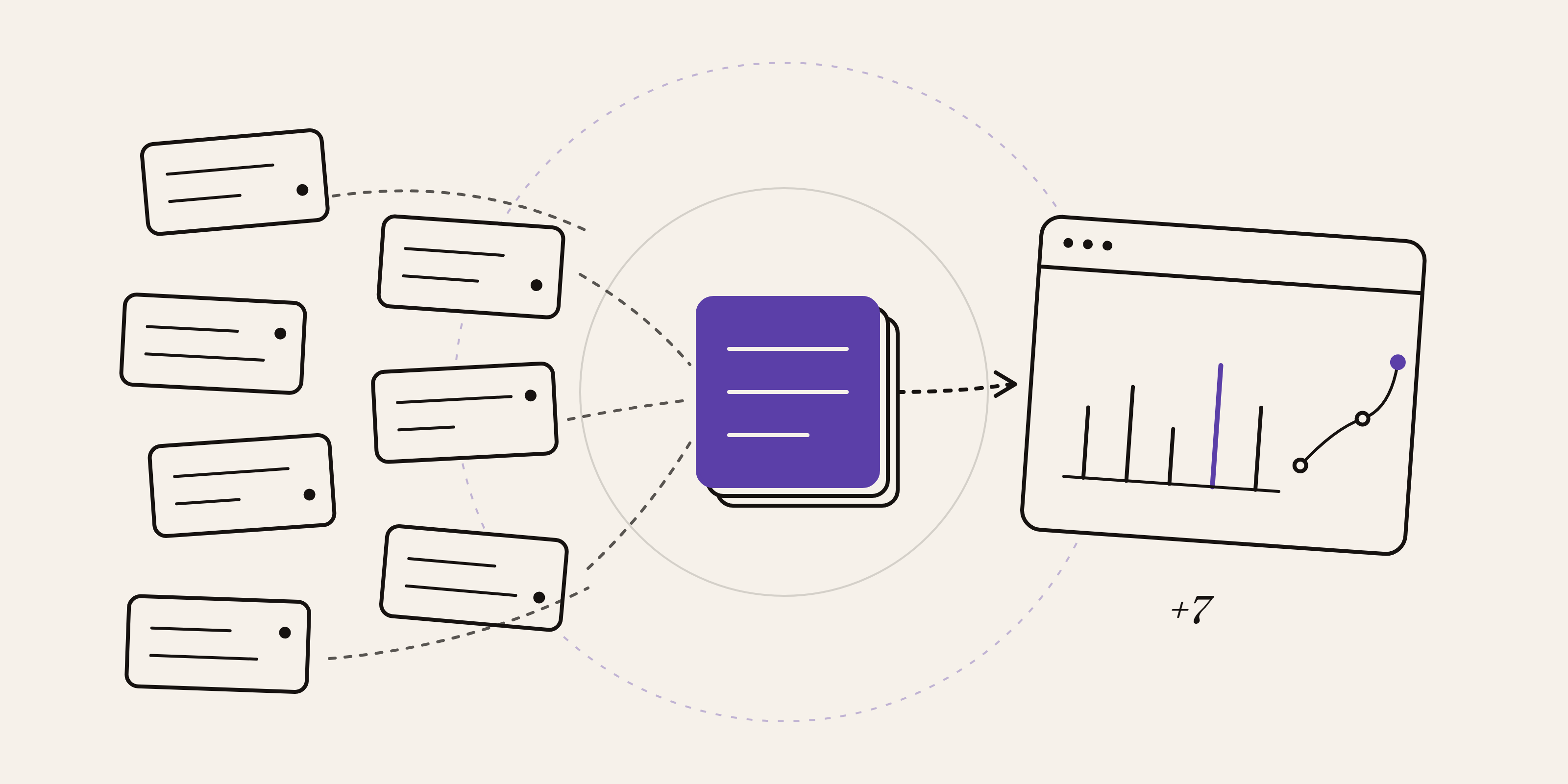
New Data Panda connectors in August 2026
Seven new Data Panda connectors from August 2026: ECB rates, ProfitPlus Webshop, SAP S/4HANA, Exact Venice, OpusFlow, ABAX and Sprout Social...