Self-service analytics
What is self-service analytics?
Self-service analytics means that people inside an organisation can work with data themselves, without having to ask IT or a data analyst every time. With user-friendly tools like Power BI, Tableau or Excel, employees build their own charts, design dashboards and explore trends. The goal is simple: anyone in the company can answer their own questions on top of trusted data.
In the past you often had to wait weeks for IT to build a report. Today you can put together the same insight yourself in a few minutes. That speed is what makes companies more responsive and helps them ground decisions in evidence instead of opinion.
Why choose self-service analytics?
The biggest reason is speed. Employees no longer wait for someone else to hand them the numbers they need. They run the analysis themselves and see straight away what is going on. The result is more agility and less dependency.
It also raises engagement. People who can see their own numbers understand better how decisions are made and feel more accountable for the outcome. Self-service analytics also frees IT from churning out basic reports, so they can focus on what really matters: data quality, security and the technical foundations.
A third benefit is innovation. When people have direct access to data, they start to experiment. They surface new insights, spot trends earlier and improve their own processes. Data becomes a driver of growth and renewal, instead of a backlog item.
How does it work in practice?
Self-service analytics only works well when the roles between IT and the business are clearly split. A useful comparison is a kitchen. IT keeps the fridge well stocked with fresh ingredients: trusted, well-structured data. The employees are the cooks, using those ingredients to put their own dishes together: reports, charts and analyses.
The BI or IT team stays responsible for the technical side. They make sure the data is secure, that definitions are clear and that there is one shared version of the truth instead of several competing ones. Business users then take that data and turn it into insight to back their decisions.
The success of self-service analytics comes from the partnership between the two sides. IT provides the infrastructure and the support, the business brings the application and the day-to-day knowledge.
Combining self-service analytics with data expertise
Self-service analytics does not make data analysts redundant. Quite the opposite: you need both, not one or the other. The two sides reinforce each other.
Data analysts remain essential for the more complex analyses, for setting up reliable data models and for guarding quality. They make sure the data is correct, well-structured and that calculations and KPIs are defined the right way.
Business users then build on that foundation. They use the prepared data to create their own reports and to support operational decisions. That gives data analysts more time to focus on deeper insight, predictive analysis and optimisation, instead of constantly turning out standard reports.
When both sides work together well, you get a powerful dynamic: analysts bring depth and quality, the business brings speed and context. Together you build a data culture where decisions rest on knowledge instead of assumption.
The pitfalls to watch out for
Self-service analytics looks straightforward, but without a clear structure things can spin out of control fast. One of the biggest risks is that several different versions of the same numbers start circulating. If every team builds its own report, you end up with confusion and arguments about which figures are the "correct" ones. Define your key KPIs clearly so that everyone looks at the data the same way.
A second pitfall is poor data quality. If the underlying data has errors or gaps, the resulting insights are automatically unreliable. There is also the risk of misinterpretation: not everyone has the background to read data properly or draw the right conclusions. This is exactly where a central data team adds value, by managing the data centrally and serving it as a ready-to-use dataset to the business.
Security is another point of attention. When many people have access to data, you have to keep a careful eye on who can see what. Without proper access control, sensitive information can end up in the wrong place.
Finally, there is the risk of pure chaos when there is no shared strategy. Self-service analytics only works well when there is direction: shared goals, standards and agreements about how reports are built and shared. Set guidelines for style and design so that reports look consistent across the organisation.
Keywords
self-service analytics
business intelligence
Power BI
data analysis
data culture
data governance
data-driven
dashboards
Microsoft Fabric
Tableau
From the blog.
More pieces from the field on the same topic.
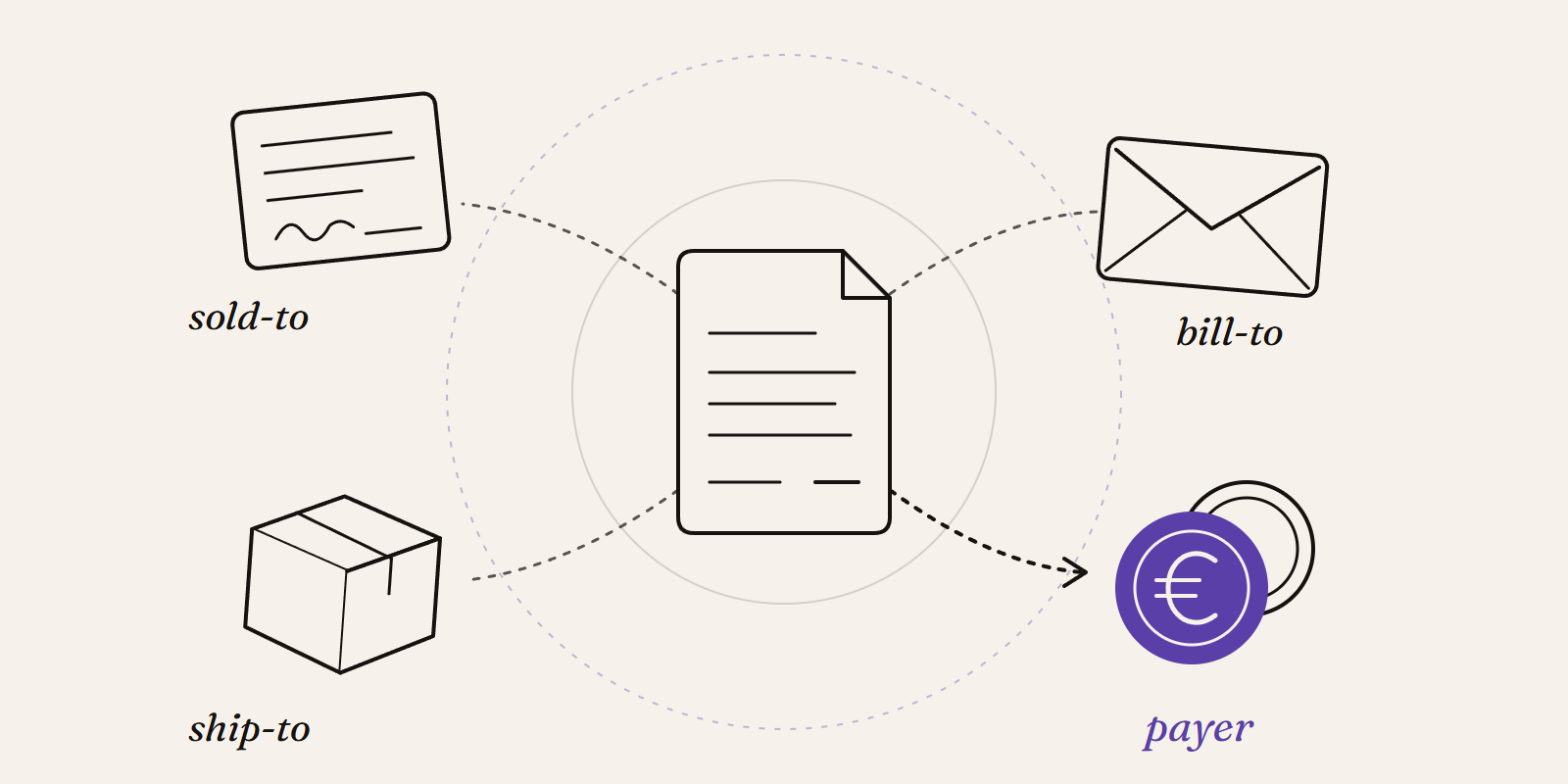
Sold-to, ship-to, bill-to and payer in SAP: who is actually your customer?
Sold-to, ship-to, bill-to and payer in SAP explained with a concrete example: who gets the invoice, whose account the receivable sits on, an...
How to enable the Power BI Desktop Bridge (and the CLIs the docs leave out)
The June 2026 Power BI Desktop Bridge lets an agent build and verify reports. Here is how to enable it and install the two CLIs the docs lea...